
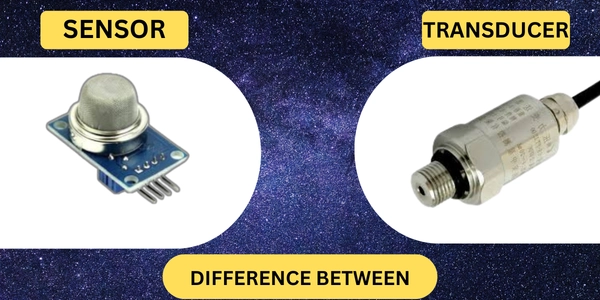
Difference Between Sensor and Transducer: Working, Types and Applications
Difference Between Sensor and Transducer: A Complete Guide
In modern electronics, automation systems, robotics, and industrial applications, sensors and transducers play a vital role in detecting and converting physical signals into electrical signals. These devices are widely used in industries such as manufacturing, healthcare, robotics, smart devices, and environmental monitoring.
Although the terms sensor and transducer are often used interchangeably, they are not exactly the same. Understanding the difference between these two devices is important for students, engineers, and electronics enthusiasts who work with measurement systems and automation technologies.
In this article, we will explain what sensors and transducers are, their working principles, types, and the key differences between them.
What is a Sensor?
A sensor is a device that detects changes in the environment and converts them into measurable signals. These changes can be related to physical parameters such as temperature, light, pressure, motion, humidity, or proximity.
The main function of a sensor is to sense or detect physical changes and send that information to another system such as a microcontroller, processor, or display system.
Sensors are widely used in many technologies including smartphones, robotics, home automation, industrial machines, and medical equipment.
Example of Sensors
Some common examples of sensors include:
-
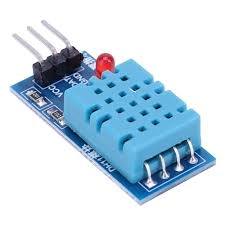
Temperature sensor
-
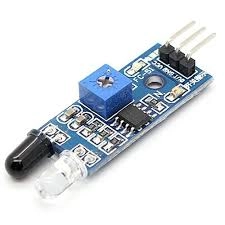
Infrared (IR) sensor
-
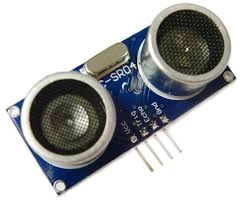
Ultrasonic sensor
-
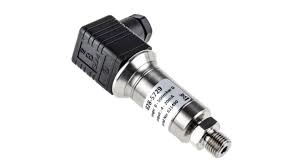
Pressure sensor
-
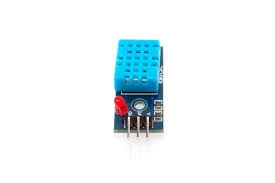
Humidity sensor
-
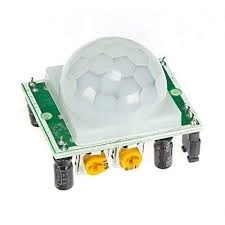
Motion sensor
For example, a temperature sensor detects heat changes in the environment and sends the data to a control system that can display the temperature or trigger an action.
What is a Transducer?
A transducer is a device that converts one form of energy into another form of energy. In most electronic systems, a transducer converts physical energy into electrical signals or electrical signals into physical output.
In simple terms, a transducer not only senses a change but also converts that change into a usable electrical signal.
Transducers are commonly used in measurement systems, automation systems, communication devices, and industrial instruments.
Example of Transducers
Examples of transducers include:
-
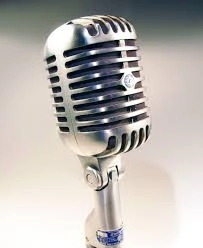
Microphones
-
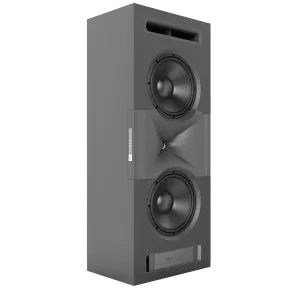
Loudspeakers
-
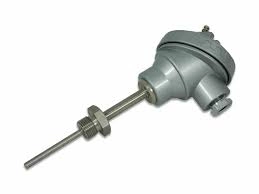
Thermocouples
-
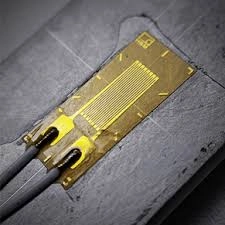
Strain gauges
-
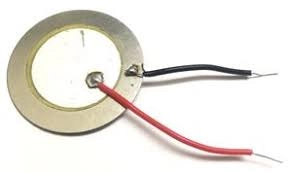
Piezoelectric sensors
For example, a microphone converts sound waves (mechanical energy) into electrical signals that can be processed or amplified.
Working Principle of Sensors
The working principle of a sensor depends on the type of physical quantity it is designed to measure.
When a physical parameter such as temperature, light, pressure, or motion changes, the sensor detects this change and generates a corresponding signal.
For example:
-
A temperature sensor changes its electrical resistance according to temperature variations.
-
An IR sensor detects infrared radiation from objects.
-
An ultrasonic sensor measures the distance by emitting sound waves and receiving their echoes.
The sensor then sends the signal to a processing system such as a microcontroller, Arduino, or control unit.
Working Principle of Transducers
A transducer works by converting one form of energy into another.
For example:
-
A thermocouple converts heat energy into electrical voltage.
-
A microphone converts sound waves into electrical signals.
-
A loudspeaker converts electrical signals into sound waves.
Because of this conversion process, transducers are widely used in measurement systems, communication systems, and industrial automation.
Key Difference Between Sensor and Transducer
Although sensors and transducers are closely related, there are several important differences between them.
| Feature | Sensor | Transducer |
|---|---|---|
| Definition | A device that detects physical changes in the environment | A device that converts one form of energy into another |
| Function | Detects or senses physical parameters | Converts sensed signals into electrical output |
| Output | May produce a measurable signal | Produces electrical output signal |
| Role | Detection of physical quantities | Energy conversion |
| Example | Temperature sensor, IR sensor | Microphone, Thermocouple |
In simple terms, a sensor detects changes, while a transducer converts those changes into usable signals.
Types of Sensors
Sensors are classified into different categories depending on the type of physical parameter they measure.
Temperature Sensors
Used to measure temperature in industrial systems, weather monitoring, and home appliances.
Proximity Sensors
Used to detect nearby objects without physical contact.
Pressure Sensors
Used to measure pressure in gases or liquids.
Motion Sensors
Used in security systems and smart lighting systems.
Light Sensors
Used in automatic brightness control and solar energy systems.
Types of Transducers
Transducers are generally classified into two major types.
Input Transducers
Input transducers convert physical energy into electrical signals.
Examples include:
-
Microphones
-
Thermocouples
-
Photodiodes
Output Transducers
Output transducers convert electrical signals into physical energy.
Examples include:
-
Loudspeakers
-
Motors
-
Display devices
Applications of Sensors and Transducers
Sensors and transducers are essential in many modern technologies.
Industrial Automation
They help monitor machine performance, detect faults, and control industrial processes.
Robotics
Robots use sensors to detect obstacles, measure distances, and interact with their surroundings.
Healthcare Equipment
Medical devices use sensors and transducers to monitor vital parameters such as heart rate, blood pressure, and body temperature.
Smart Devices
Smartphones use sensors for proximity detection, motion detection, and brightness control.
Environmental Monitoring
Sensors are used to measure air quality, humidity, and temperature for environmental studies.
Importance in Robotics and Electronics Projects
In robotics and electronics learning, sensors and transducers help create systems that can interact with the environment.
Some common robotics projects include:
-
Obstacle avoidance robot
-
Smart home automation systems
-
Weather monitoring systems
-
Object detection systems
These projects help students understand how machines sense and respond to real-world conditions.
Why Buy Sensors and Electronics Components from Roboucreate?
If you are working on electronics, robotics, or automation projects, Roboucreate provides a wide range of high-quality sensors and electronic components.
Roboucreate offers:
✔ Robotics sensors and modules
✔ Electronic components for projects
✔ Affordable pricing for students and hobbyists
✔ Reliable quality products
✔ Fast delivery across India
Roboucreate helps innovators and creators build smart electronic systems and bring their ideas to life.
Conclusion
Sensors and transducers are essential components in modern electronics and automation systems. While a sensor detects physical changes, a transducer converts those changes into usable electrical signals.
Understanding the difference between these two devices helps engineers and students design efficient systems for robotics, automation, and smart technologies.
As technology continues to evolve, sensors and transducers will remain key components in developing intelligent machines, smart devices, and advanced industrial systems.

Add comment